

People who become more forgetful as they get older usually adopt these 8 habits (without realising it)
by Eliza Hartley | August 4, 2024,
When you can’t find your keys, you know you’ve misplaced them. When you forget a name, you know your memory’s playing tricks. And that’s the simple side of ageing. But, what many don’t realize is that as we age, we start to adopt certain habits that inadvertently contribute to our forgetfulness.
Some people might be surprised to learn about these habits, but they’re all too common. In this article, we’ll delve into what those habits are and how they sneak into our daily routines without us even realizing it.
1) Multitasking
Multitasking seems like a great way to get more done in less time, right?
Wrong.
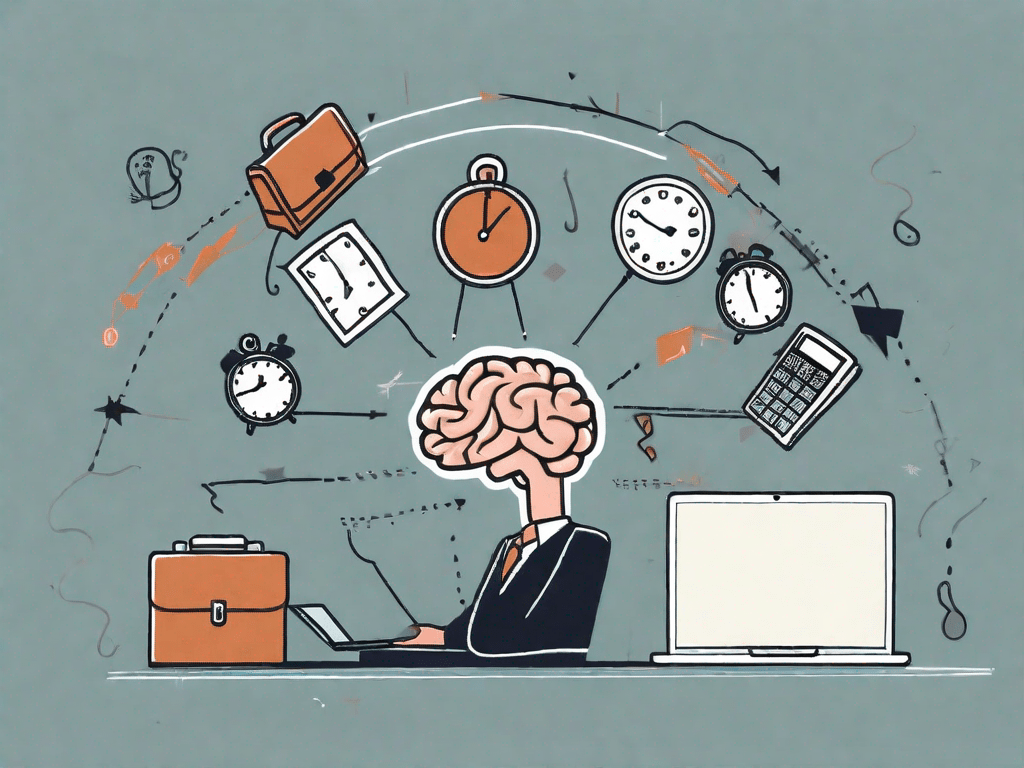
In reality, multitasking is a one-way ticket to forgetfulness. As we get older, our brain’s capacity to handle multiple tasks at once diminishes. We start juggling too many things at once, and something’s bound to drop.
But here’s the kicker – most of us don’t even realize we’re doing it. We’re so used to being busy and trying to achieve as much as possible that we don’t see how it’s affecting our memory.
When you spread your focus too thin, your brain has a harder time retaining information. You may think you’re being efficient, but in the long run, you’re just making it harder for your brain to keep up.
Remember: multitasking isn’t your friend. It’s a silent enemy of your memory.
2) Lack of sleep
This one hits close to home. I can tell you from personal experience that lack of sleep does a number on your memory. There was a time when I thought I could function just fine on four or five hours of sleep. I was wrong.
I started forgetting little things – where I put my glasses, what I had for lunch the day before, the name of that new colleague I was introduced to just yesterday. It was subtle at first, but it started to worry me. I decided to prioritize sleep and started going to bed earlier. It took a while, but I started noticing a difference. My memory improved, and those little blanks became less frequent.
Sleep, it seems, isn’t just for rest. It’s like a reset button for your memory. Without enough of it, your brain doesn’t get the chance to sort through and store the information it collects during the day.
3) Sedentary lifestyle
Our bodies are designed for movement, not for sitting around all day. As we age, it’s easy to fall into a sedentary lifestyle.
Here’s the thing: older adults who led a more sedentary lifestyle performed worse in memory tasks compared to those who were more physically active. Physical activity boosts blood flow to the brain, which helps to support memory and cognitive functions. On the other hand, leading a sedentary lifestyle can contribute to memory decline.
So, if you want to keep your memory sharp, make sure you’re moving regularly. Whether it’s a brisk walk around the block, a yoga class, or just some light stretching at home, every bit helps.
4) Poor nutrition
You are what you eat – and that applies to your brain too.
Poor nutrition can have a significant impact on cognitive health, including memory. As we age, it’s easy to fall into the habit of opting for convenient, processed foods over fresh, nutrient-dense ones.
But here’s the catch – diets high in sugar and unhealthy fats can harm the brain, leading to decreased memory function.
On the other hand, a diet rich in fruits, vegetables, lean proteins, and healthy fats can support brain health.
5) Dehydration
I’ve always been one to forget to drink enough water throughout the day. Coffee in the morning, maybe a glass of water at lunch, and another with dinner – that was my routine. Then I learned something alarming: Chronic dehydration can significantly impact memory function.
When I realised this, I made a conscious effort to up my water intake. I started carrying a reusable water bottle everywhere I went and set reminders on my phone to drink up. And you know what? I did notice a difference. Not only did my memory improve, but I also felt more alert and focused throughout the day. So, if you’re like me and often forget to hydrate, try making it a priority. Your brain will thank you for it.
6) Over-reliance on technology
In the digital age, we’ve become accustomed to using technology for just about everything – including remembering things for us.
Got a meeting? Set a reminder on your phone. Need to remember a birthday? There’s an app for that.
But while these tools are undoubtedly convenient, they might not be doing our memories any favours. Relying on technology to remember things for us means we’re not exercising our memory muscles as much as we could be. It’s like taking the elevator instead of the stairs – sure, it’s easier, but it’s not helping you stay fit.
So, while it might seem like tech is your memory’s best friend, it could actually be its worst enemy. Try relying on your own brain power now and then – it might surprise you.
7) Stress and anxiety
We all experience stress and anxiety from time to time. But did you know that these emotional states can actually impact your memory?
Chronic stress and high levels of anxiety can impair the function of the hippocampus – the part of the brain that’s crucial for memory.
When we’re constantly stressed or anxious, our brain is too busy dealing with these emotional states to properly process and store information.
Managing stress isn’t just good for your emotional well-being – it’s also key for maintaining a healthy memory.
Consider practices such as meditation, deep breathing, or yoga to help keep stress levels in check.
8) Ignoring mental stimulation
Here’s the most crucial thing to remember: our brains thrive on challenge.
Just like the rest of our body, our brain needs regular workouts to stay in shape. When we neglect mental stimulation, our memory suffers.
Engaging in brain-challenging activities such as puzzles, reading, writing, or learning a new skill can significantly improve memory function.
Don’t let your brain idle. Challenge it regularly, and it will reward you with a sharper memory.
Reflecting on the journey
If you’ve made it this far, hopefully, you’ve started to see forgetfulness in a new light.
Forgetfulness as we age isn’t just an inevitable part of getting older. It’s intricately tied to our habits, lifestyle, and how we choose to engage with the world around us.
We’re not just passive observers in our cognitive decline. We have the power to make changes that can support our memory and keep us sharp as we age.
Remember, the brain is a marvellous, adaptable organ. Even small changes to our daily routines can have significant impacts on our memory.
So, take a moment now to reflect on your habits – are they supporting your memory or contributing to your forgetfulness?
It’s never too late to change and make your brain a priority. After all, a mind is a terrible thing to waste.